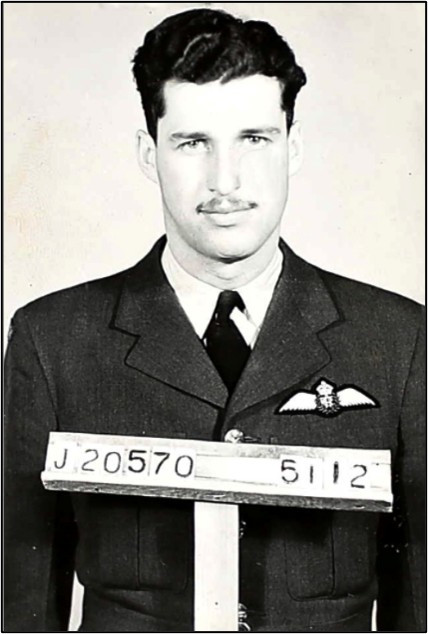
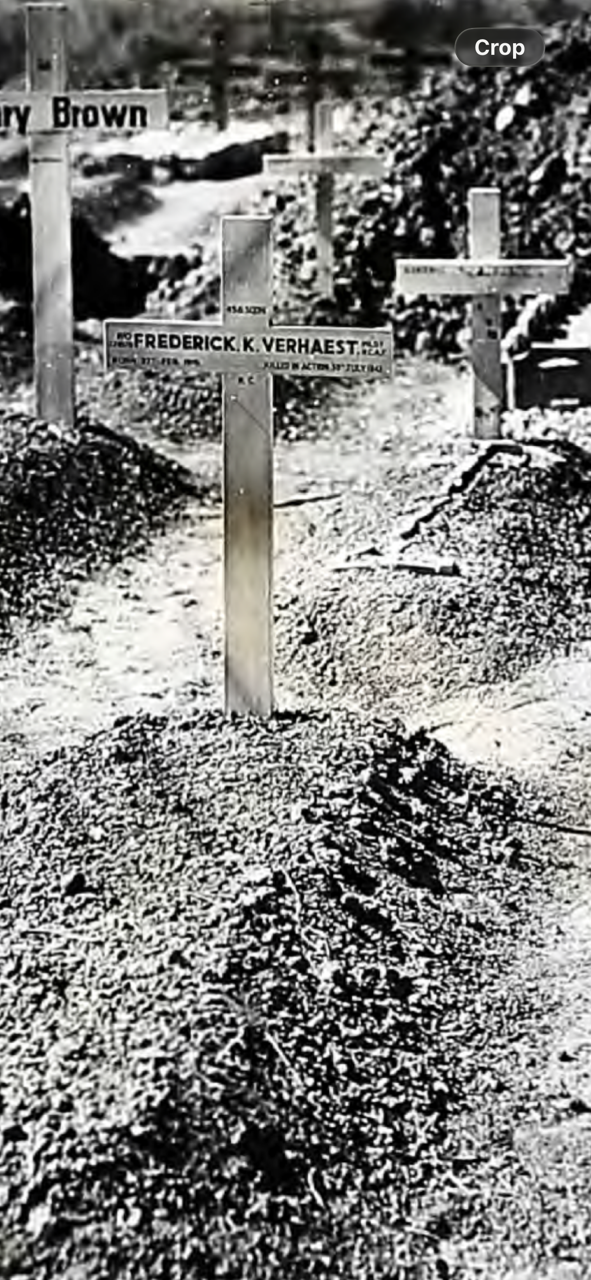
Flying Officer Frederick Kamiel Verhaest J.20570
This page was written by Adam and Cate Wagstaffe, Canadian Flight Correspondents for the 458 Squadron Association Newsletter. You can read the full article at 2023_273_march.pdf
I recently touched base with Della, whose husband Joseph was the great nephew of Flying Officer Frederick Kamiel Verhaest, who was killed during air operations with 458 Squadron.
Fred’s parents were both born in Belgium and migrated to Canada in 1910. They resided in Kootenays, British Columbia and worked as dairy farmers. Frederick’s parents would later move outside of Medicine Hat to start their own farm, in Whitla, Alberta where Fred was born February 27, 1919.
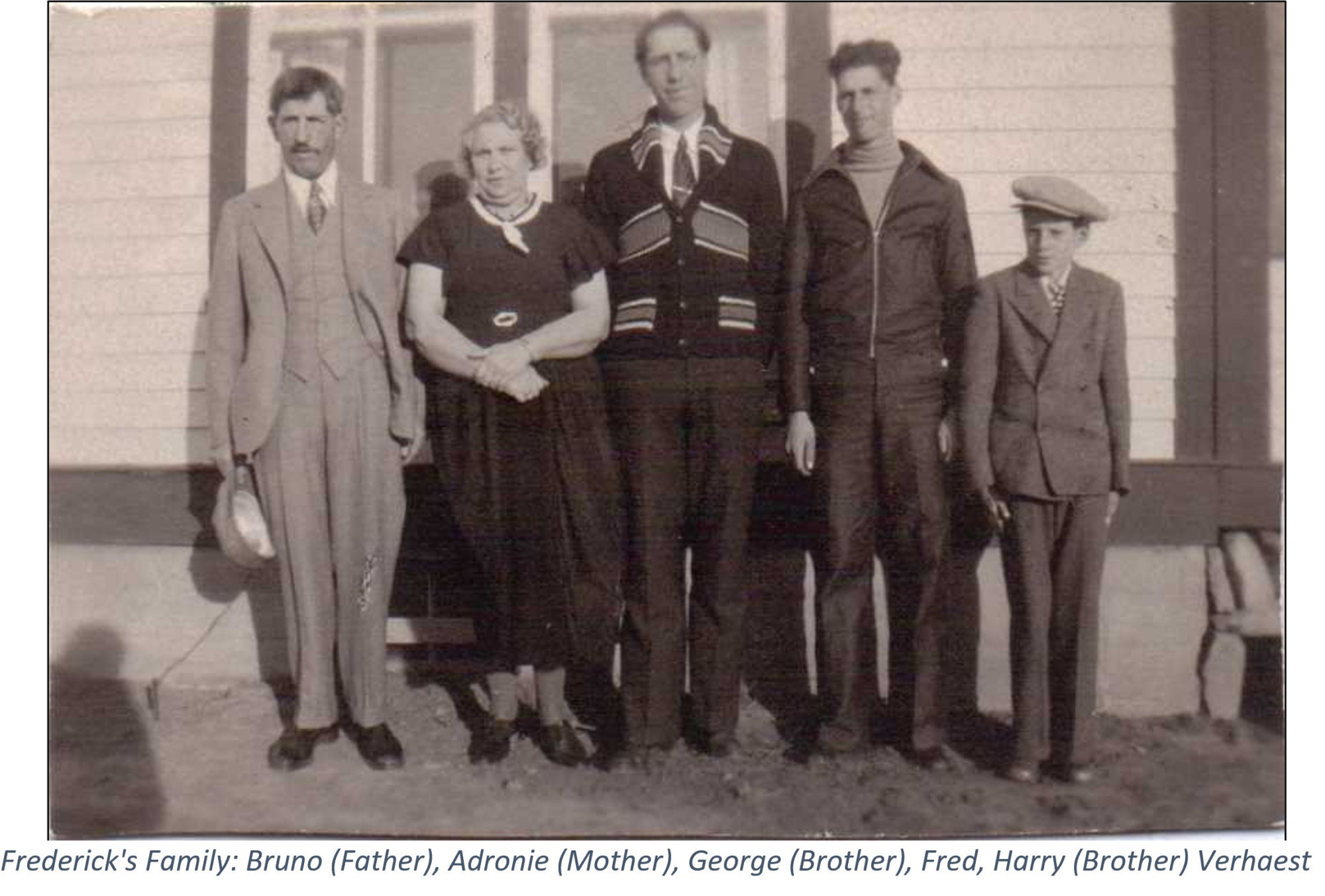
Whitla, in 1910, opened up to homesteaders and many families from Canada and the USA moved there to start farms. The 1930s saw many leave again as the depression devastated the area. Today Whitla is the site of the largest wind farm in Alberta.
Fred was very outgoing and enjoyed all types of sports, from Baseball to the very traditional Canadian ice skating, to even the occasional tennis and basketball. His dream was to become a teacher. This was a challenge initially as he was needed to help work the family farm. For a time, he was an Assistant Postmaster working from home before training at Calgary Normal University, followed by summer school to teach Physiology, Typing, Dramatics and Principles of Education.
Fred became a teacher in 1940 at the Foremost School Division in Alberta, but just one year into his dream job, he joined the RCAF as a Special Reserve. In his enlistment interview, the interviewer made note that Fred was a “a rather nice type lad, clean cut. Well Spoken. Should be good material for any air crew.” However, for some reason (likely a SNAFU) he was initially sent to No. 7 SFTS (Service Flight Training School) in Macleod Alberta where they had advanced twin engine trainers, before he had even opened a textbook or got close to an aeroplane! Three months later he was back in Edmonton, Alberta starting again at the No. 4 ITS (Initial Training School).
Though Fred’s enlistment interview went rather well, the same could not be said for his report cards throughout his pilot training. The officers in charge of his No. 4 Initial Training gave him a 57% pass. They considered him below average pilot material and recommended him for Air Crew. Despite those remarks Fred was posted to No. 5 EFTS to learn to fly Tiger Moths.
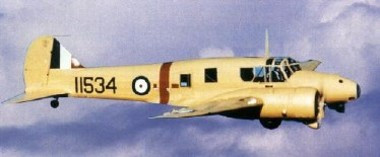
The Chief Supervisory Officer at NO. 5 Elementary Flight Training at High River Station in Alberta said Fred “was a slow thinker, low average flying ability, Ground School only fair. Should be finished, conduct very good.” Once again Fred overcame a somewhat negative report and was posted to No. 15 SFTS. (To give a sense of Claresholm Station Base in 1942 at any given time it consisted of 83 Officers, 1162 Airmen, 150 trainees and 63 civilians. In addition, there were 47 Avro Ansons and 70 Cessna Cranes; both twin engine trainers used for Bomber or multi engine pilot training)
The No. 15 Service Flight Training School said however that Fred was “a good average pilot who is safe and reliable. Judgement is fair and he possesses good air sense.” As he trained, and we suspect, the need for ready and able pilots for the war grew, Fred’s skills and efficiency earned him his Pilots Flying Badge and a promotion from LAC to Flight Sergeant on November 6th, 1942 at Claresholm Station, Alberta. Although we do not have Fred’s Pilot Log Book we know during this time he would have completed Instrument flying, Formation Flying, basic navigation and perhaps some bombing practice.
Very quickly after graduation and a very short leave, Fred was on a train east, first to Charlestown, New Brunswick and then to No. 1 “Y” depot Halifax, Nova Scotia, the embarkation depot for Air Force personnel heading overseas. Dates on Fred’s service record indicate he boarded a ship, either convoy or fast liner to the UK.
Once Fred arrived in the UK at the Training Pool he moved on to the Wellington Bomber and at this time became part of the crew that worked together on further training. Captain and Pilot F/O. Graham: 2ndPilot and now F/O, Fred Verhaest: Navigator F/O Cundy: Gunner F/O Healey: WOP/AG Sgt Birchall and WOP/AG Roberston. Unusual to have such a senior ranking crew, with 4 Flying Officers.
For further training he completed the No.7 Coastal Training in Cumberland April 1943, The Torpedo Training in Turberry in May 1943, and the Ferry Training with 303 in Talbenny, South Wales. Fred and his crew departed for the Middle East and 458 RAAF Squadron on July 8th1943, joining them in the tents, sand and flies of Prottville, Tunisia.
Fred and crew flew their first mission on July 22 1943, taking off from Prottville at 2031 in Wellington “K”, returning 9 hours later at 0546 and reported “No incidents. Weather good. Sea calm.” Their second mission on July 26 was not so successful. Taking off in Wellington “C” at 2110 for an “Armed Rover” to East Corsica they returned just over an hour later at 2148 reporting “Patrol not carried out. No further details found.
Just 5 days later, and less than two weeks from his arrival with 458 Squadron, Fred and his crew took off on Wellington “D” on their third mission at 2157. Very soon after take- off they suffered a serious engine problem and turned immediately for base. The crew were ordered to jettison everything (including flares) to reduce weight. A Wellington on one engine with fuel for a 10-hour patrol was not a friendly aircraft.
Just before landing all crew except the two pilots moved to the centre section. On landing, control was lost, and “D” hit a parked aircraft. Both pilots, Graham and Fred Verhaest were killed. The rest of the crew were injured, three of them seriously, including an additional pilot F/O C.F. Hicks who was on board as the third pilot, perhaps monitoring or gaining experience.
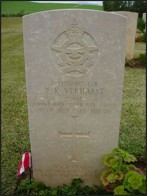
Fred was just 24 years old. He is buried at the Medjez-El-Bab cemetery in Beja. Tunisia. Plot 13.B.1
“I realize there is little which may be said or done to lessen your sorrow, but is my hope that these “Wings”, indicative of operations against the enemy, will be a treasured memento of a young life offered on the altar of freedom in defence of his Home and Country” – W.A. Dicks to Adronie Verhaest June 20th 1946.
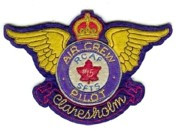
These were cloth wings unofficially given to graduates of the N015 SFTS, not the official RCAF pilot cloth wings sewn on after pilot graduation
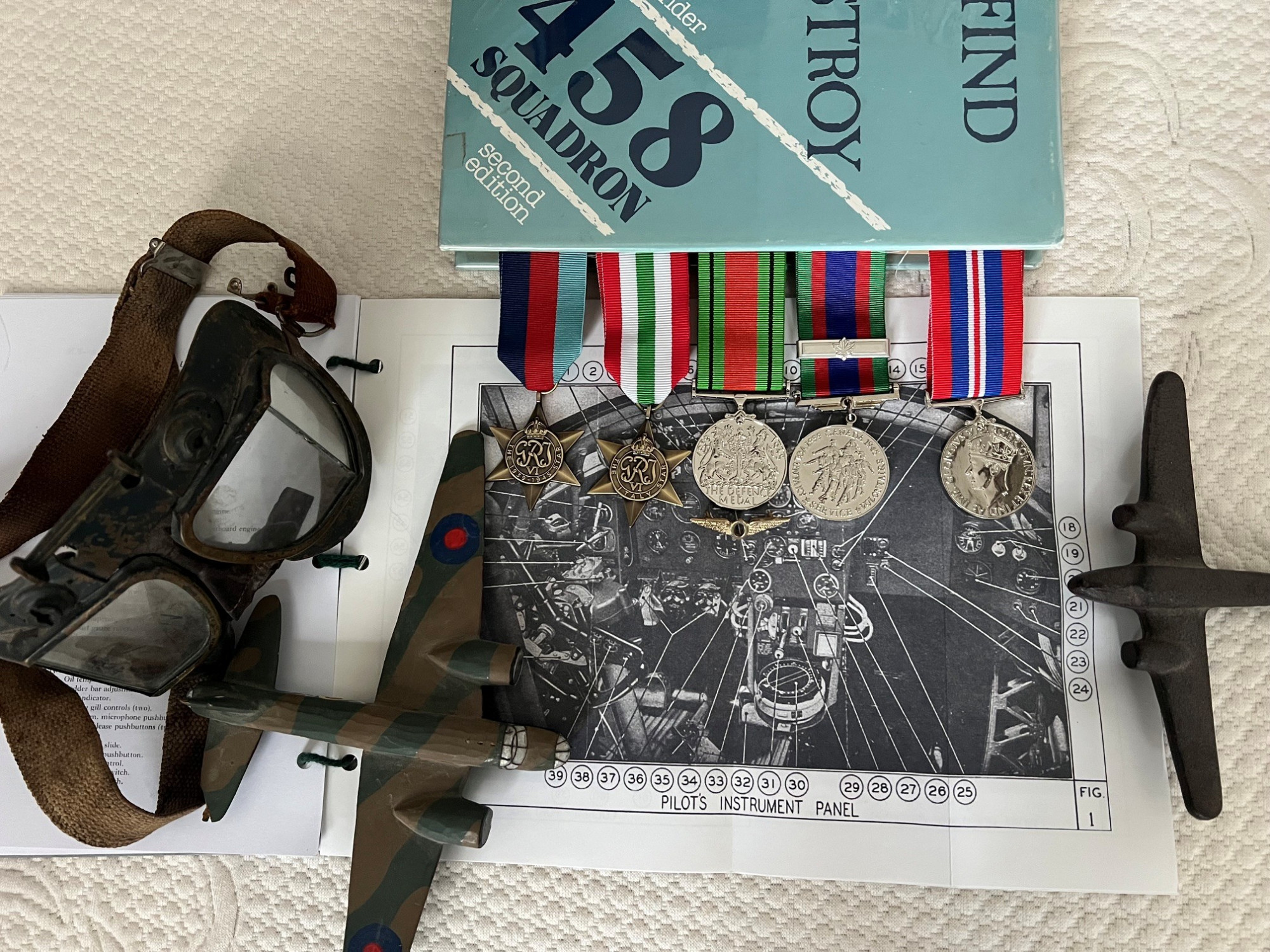
Fred would have been eligible for the following medals (pictured above)
From left to right
The 1939-1945 Star
The Italy Star
The Defence Medal
The Volunteer Service Medal with Overseas Clasp
The 1939-1945 War Medal
RCAF Overseas Wings (metal pin under the Defence Medal)
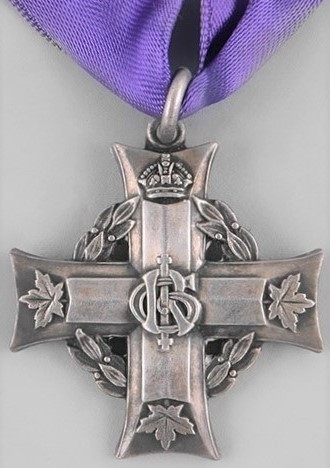
The Memorial Cross was only given to a living mother
often colloquially referred to as "The Mothers Cross"