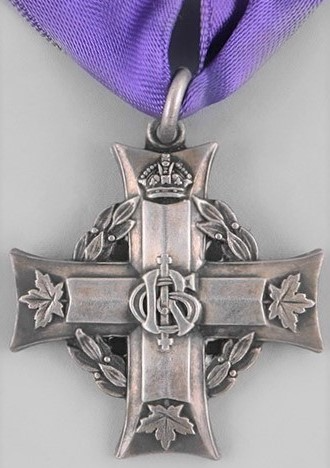
Warrant Officer II Perry King. R93340
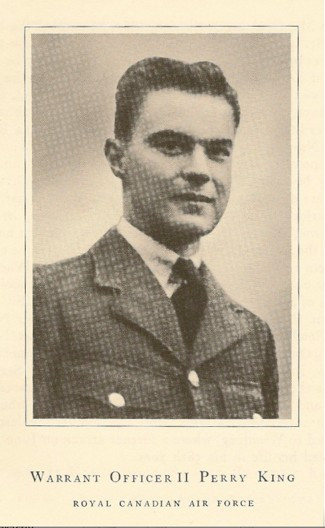
This biography of WOII Perry King was written by Adam and Cate Wagstaffe, Canadian Flight Correspondents for 458 Squadron Association Newsletter. 2023_275_december.pdf
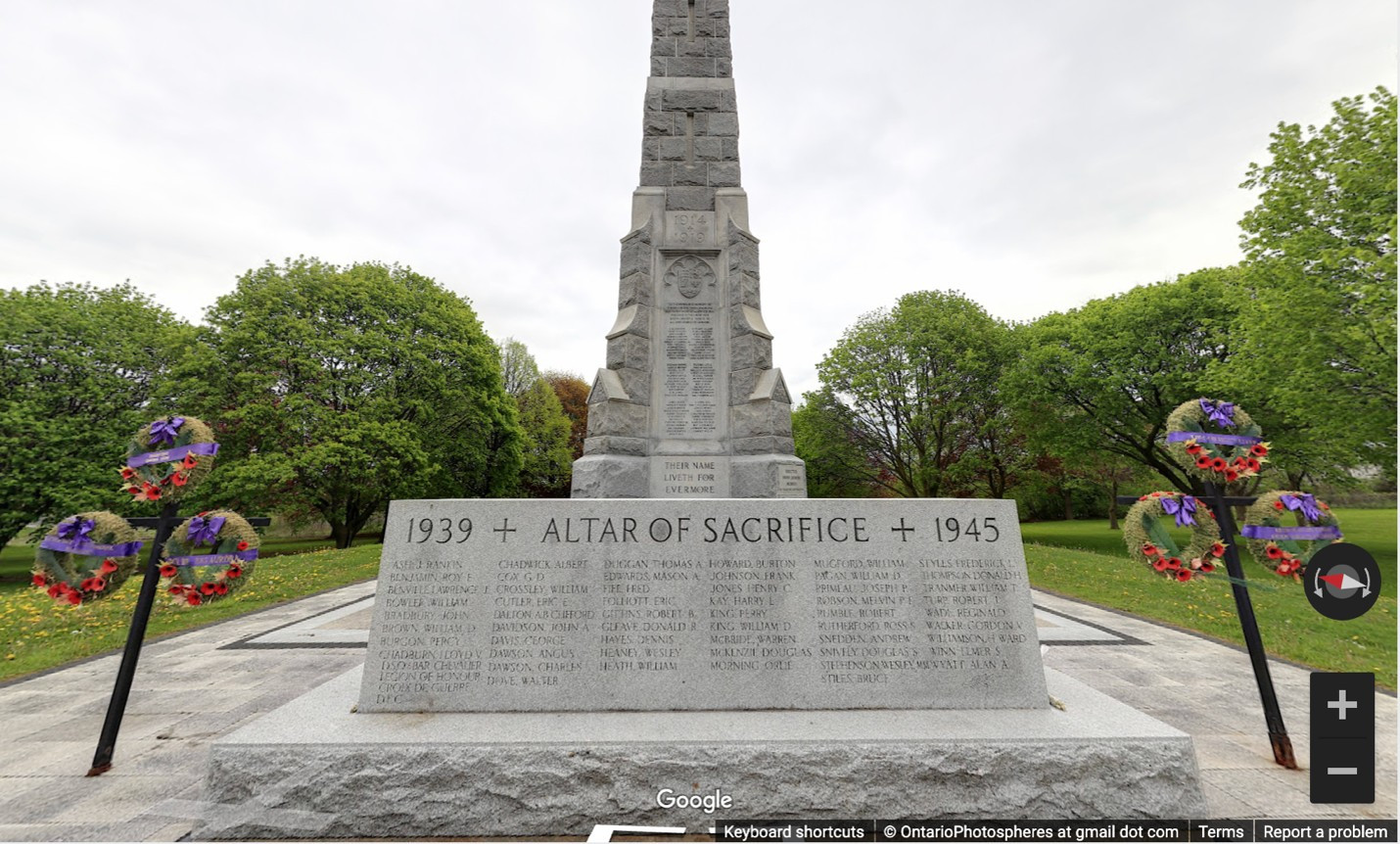
This biography of WOII Perry King was written by Adam and Cate Wagstaffe, Canadian Flight Correspondents for 458 Squadron Association Newsletter. 2023_275_december.pdfChristopher Watts, who runs the Aurora Heritage Authority, a heritage service provider in Aurora Ontario. Christopher has been working on an art installation at a local gallery that will honour 14 RCAF pilots and was keen to gather more information on an Aurora resident named Warrant Officer II Perry King who served with 458. Aurora has a memorial honouring the cities brave who sacrificed all in the line of duty. This cenotaph was first dedicated in 1925 with 77 names and was amended in 1966 to include an additional “Altar of Sacrifice” that included 55 names of the heroes from the Second World War, including Perry King.
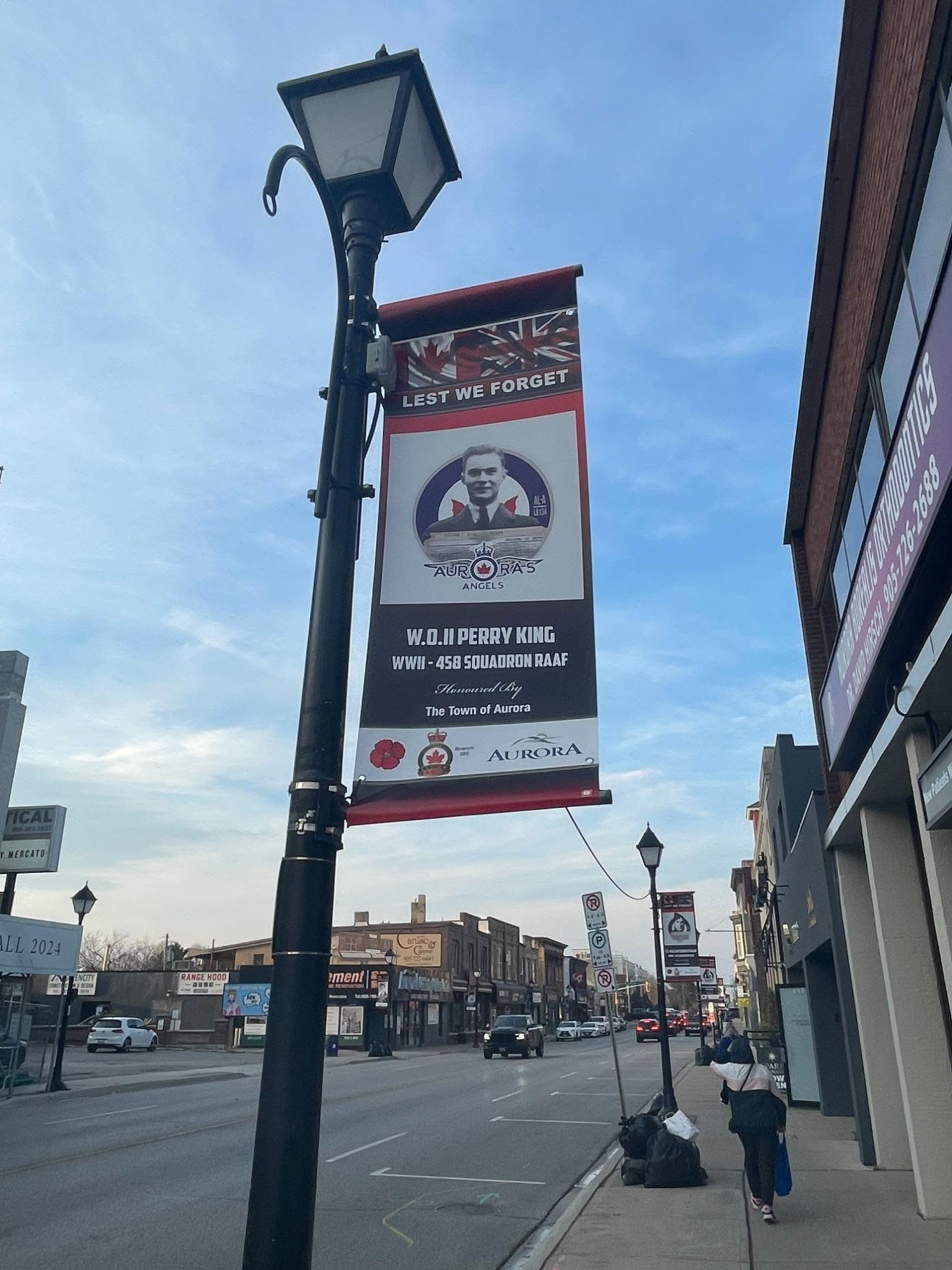
The City of Aurora further memorializes it’s fallen heroes by naming their streets after them. All the names on the cenotaph are to be honoured on street signs around Aurora with an accompanied poppy. Unfortunately, over 50% of the men from Aurora who died serving, are not displayed as intended on the ‘Streets of Honour’.
Christopher has discovered that Perry King of 458 is one of the unfortunate ones without a street sign. Though Christopher has spoken to the Heritage Advisory Committee to amend the policy and get Perry King a sign, we also discovered a connection to our family with another RCAF Spitfire pilot from Aurora named Lloyd Chadburn.
When I myself was knee high to a grasshopper, my two sisters and I tumbled into the world of Air Cadets and were active members of 151 Chadburn Squadron in Oshawa, Ontario. We learnt all there was to know about Wing Commander Lloyd Chadburn, thanks to our commanding officer at the time Major Robert Forbes who wrote the biography on Chadburn “Gone is the Angel” (1997). It was amazing to realize Chadburn and King were on a memorial together and both lads were not being properly honoured in Aurora.
Christopher was also seeking clarification on Perry’s military career with 458 and asked why there was no grave or gravestone honouring him. A letter found in the Library Archives written by Perry’s mother Ester to the war office in 1948, questions why her son had no grave. The War office replied in 1952 to say:
“The Imperial War Graves Commission (of which Canada is a member) is entrusted with the care and maintenance of all the graves of our fallen and the commemoration of all those who do not have "known" graves. Unfortunately {…} there are many thousands of British aircrew boys who come under this category. Their names will be inscribed on General Memorials that will be erected {…} One of these Memorials will be erected at Malta, and the name of your son will appear on that Memorial.” - WR Gunn
Perry had two brothers. William David King who in August of 1940 enlisted as 1st Lieutenant in the Toronto Scottish regiment (M.T.C. #20) and moved to the Armoured Reinforcement Division at Camp Borden in 1942 and later that year to the 8th Canadian Reconnaissance Regiment overseas. William joined the RCAF and died in a training exercise flying a Harvard in Camp Borden Ontario in 1943. William received the standard grave marker which is why his mother wrote letters to find out why her son Perry did not. Perry’s twin brother Dale enlisted with Perry and was a Wellington tail gunner with 428 Sqdn and was shot down over Germany and became a prisoner of war in March 1943, just a month after Perry died.
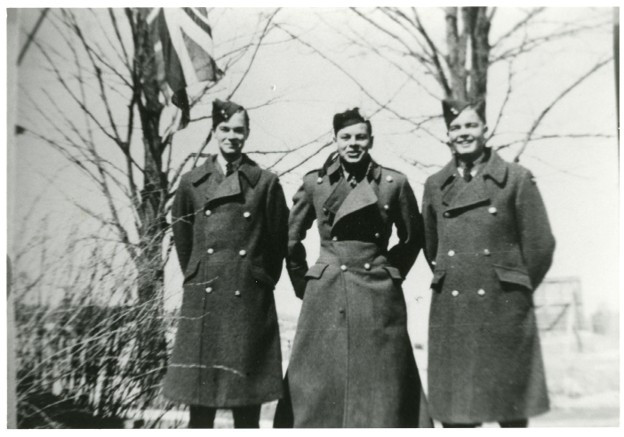
We do not have Perry’s logbook, so his war service is derived from his RAF Airman’s Record Sheet, his Record of Service, Squadron ORB (69 Squadron RAF and 458 Squadron RAAF), We Find and Destroy by Peter Alexander, Letters from Officer Commanding, R.A.F. Station Luqa, Malta and from Training Squadron records.
Perry enlisted in the RCAF on the 20 February 1941 and spent almost two years training to become a Wellington pilot. He flew seven missions, including the last fateful one on his twenty first birthday, with two Squadrons in Malta and leaves behind a mystery about his last flight, the one which he and his crew lost their lives. A mystery that we will try to solve in this submission, a mystery that was born from the fog of war and the most difficult operating conditions in Malta in late 1942 and early 1943.
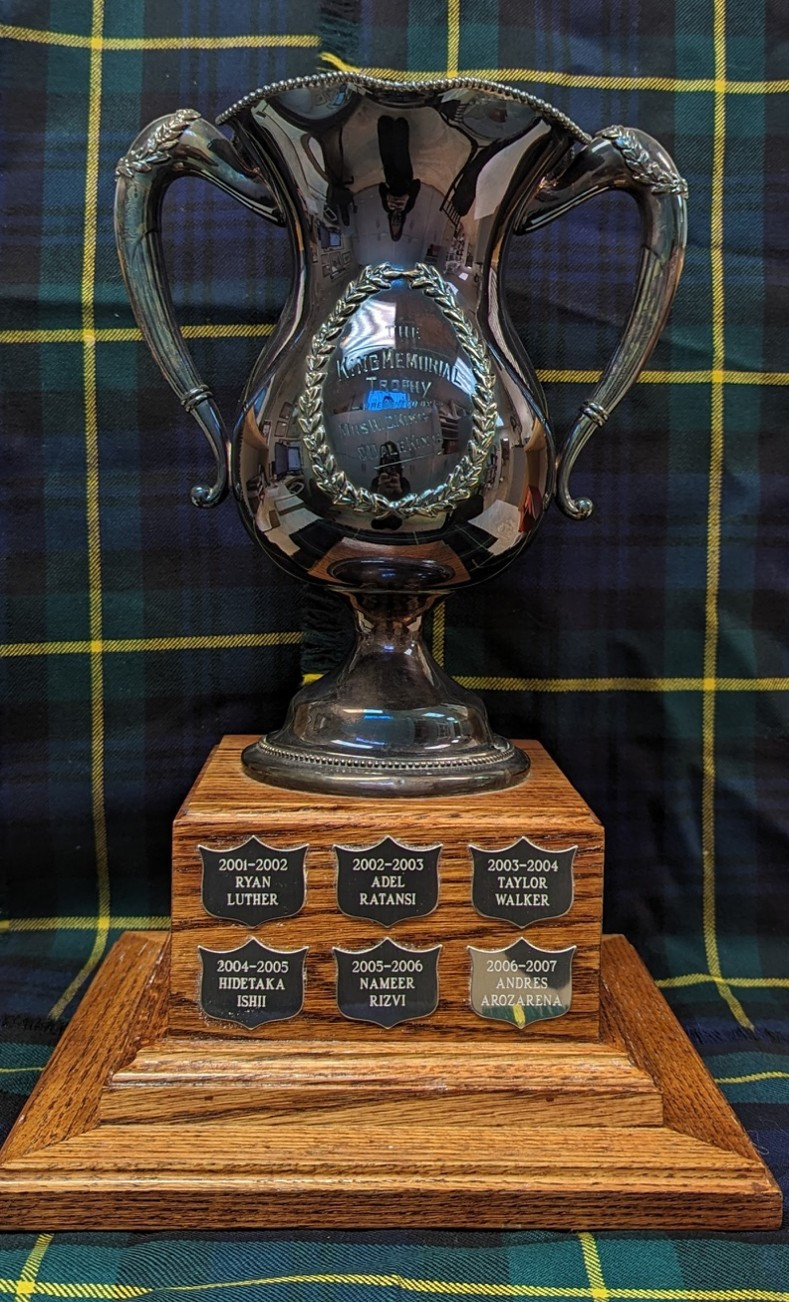
But we will start at the beginning. Perry was born 25 February 1922. He attended Aurora High School for four years, completing his junior matriculation in all subjects except Latin and French and went on to attend St. Andrew’s College. The College would later award students who excel in studies, games, deportment and character the King Memorial Trophy after Perry.
In 1939 he worked at the Bank of Montreal as a ledger keeper and clerk and enlisted in Toronto, Canada on the cold day in February 1941.
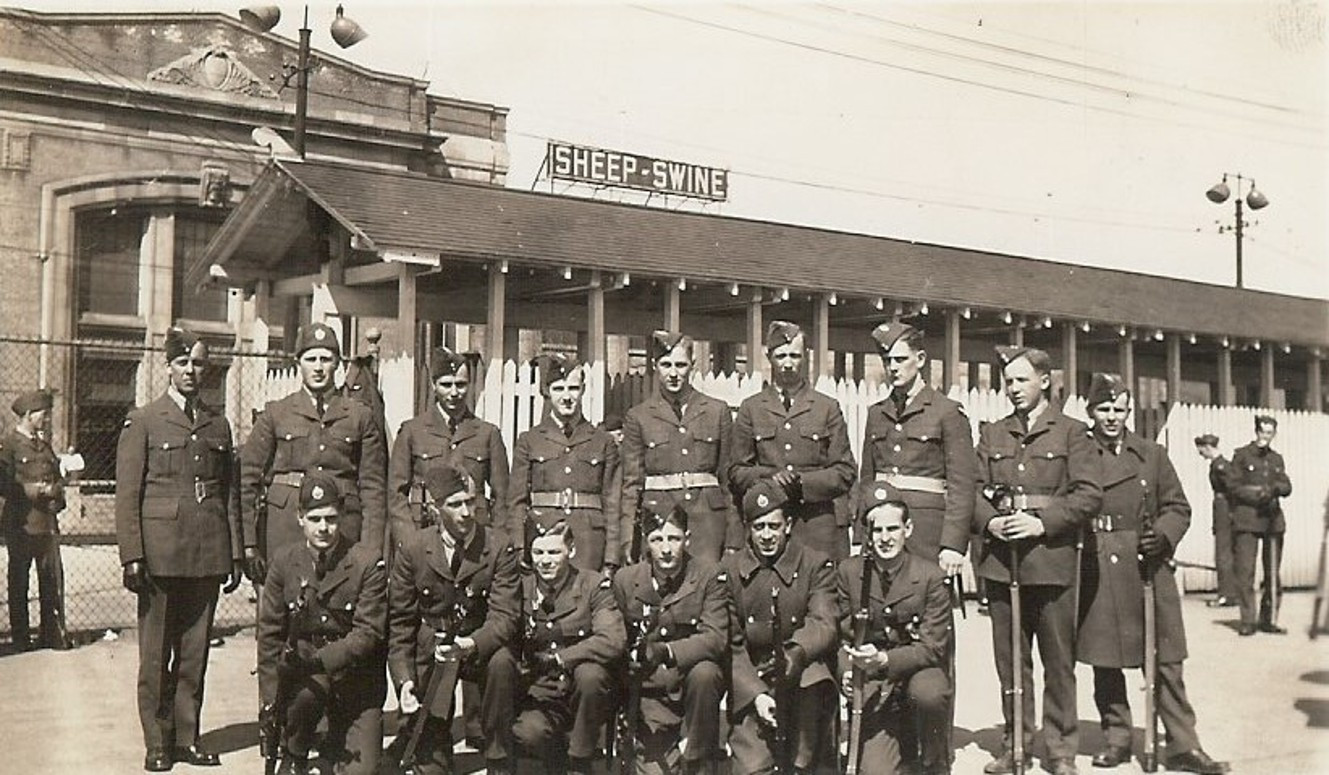
In March of 1941 he was ordered to report to No. 1 Manning Depot in Toronto. Manning Depot was located in the fairgrounds at the Canadian National Exhibition. To be precise it was in the Equine Building (horse stables). Unlike horses that would be one to a stall, the recruits were four to a stall. It was here that Perry was issued an ill-fitting uniform, was given multiple injections and was taught to march and salute and do turns on guard duty. This first eight weeks was a somewhat sober introduction to life in the service.
After Manning Depot Perry was posted to
an Initial Training School. For many this was at a Toronto location but for
Perry and others it was to Brantford Ontario, the location of No. 5 Service
Flight Training school. Although interestingly Perry would return to No. 5
E.F.T.S later in his training, at this time he was there to be exposed to the
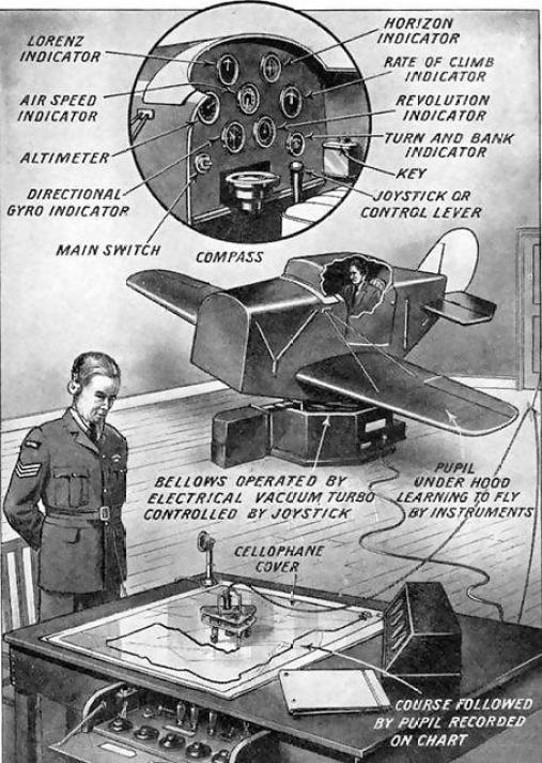
Link Trainer. This was used to simulate flight and through its use and theory
of flight training, prospective pilots were given their first exposure to being
“washed out” or deemed unfit for further pilot training. After two months of
Link training and flight theory Perry and other graduates were posted to No. 12
Elementary Training School (E.F.T.S) in Goderich, Ontario.
No. 12 E.F.T.S Goderich was where the real flying began. Cadets received 126 hours of ground lectures and 50 hours of flying. They were expected to go solo after 8 hours. More washouts occurred here. Perry did his initial training on the Fleet Finch aircraft and graduated from class 35 on the 25 September 1941.
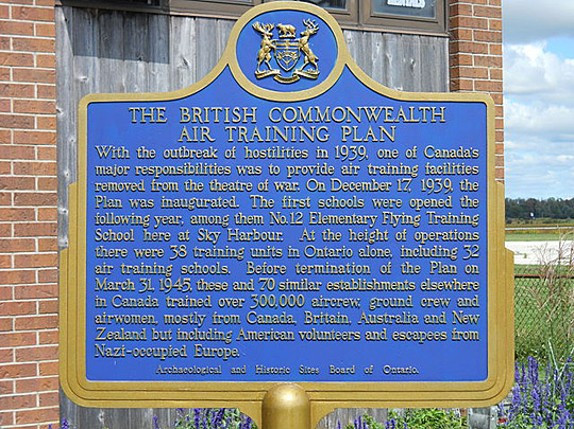
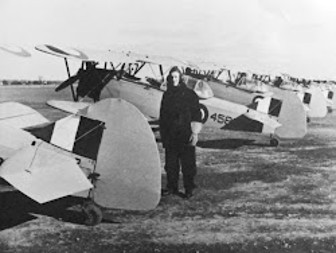
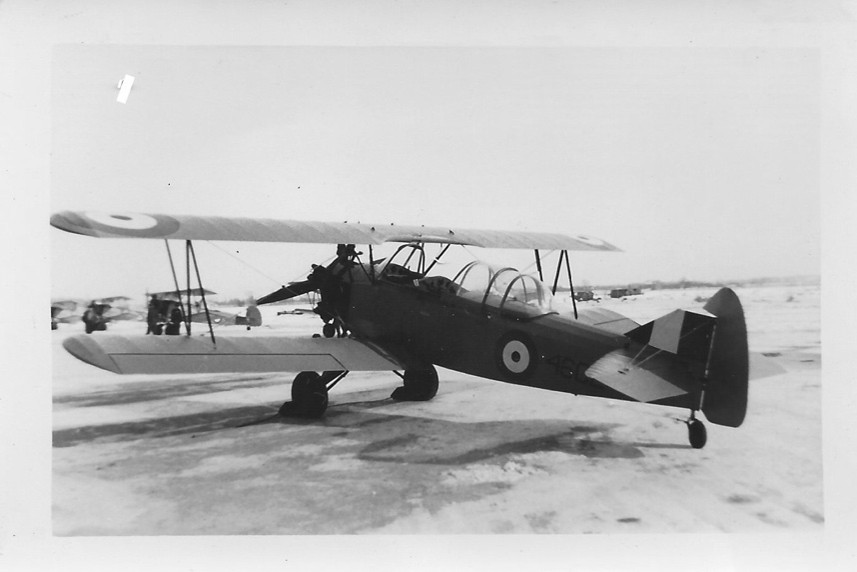
No. 12 E.F.T.S had other interesting graduates throughout the war. One of them was Jackie Rae, who went on to become a spitfire pilot and flew with Wing Commander Lloyd Chadburn (name and connection to this article and our family). Jackie Rae the uncle of Canadian Politician and diplomat Bob Rae, also become well known for his “Spitfire Band” swing music, post war.
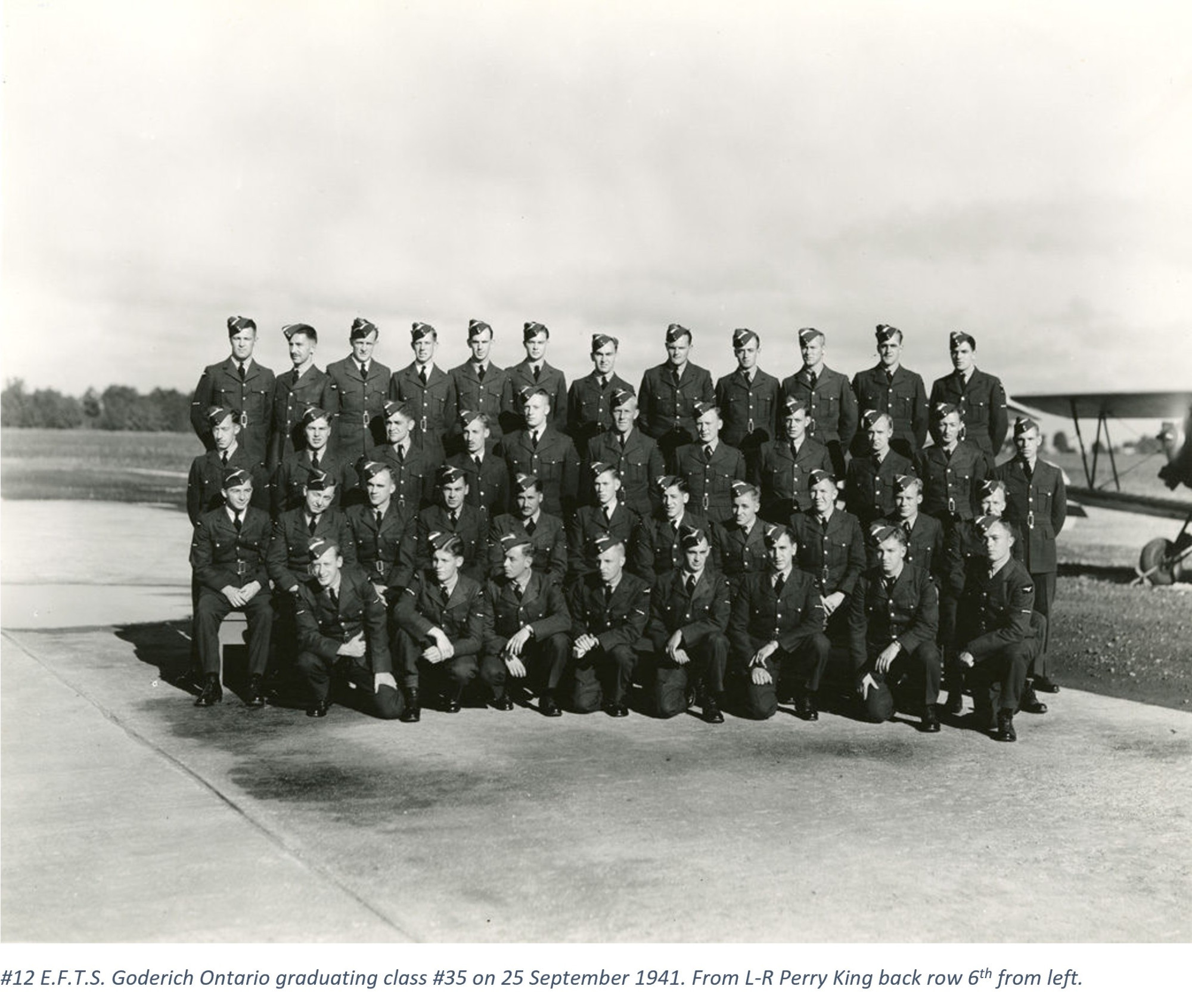
Perry meanwhile had little time to celebrate his graduation, in fact just one day later he was back at No. 5 S.F.T.S in Brantford to begin his training on twin engine Avro Ansons. …as he had been deemed Bomber pilot material.
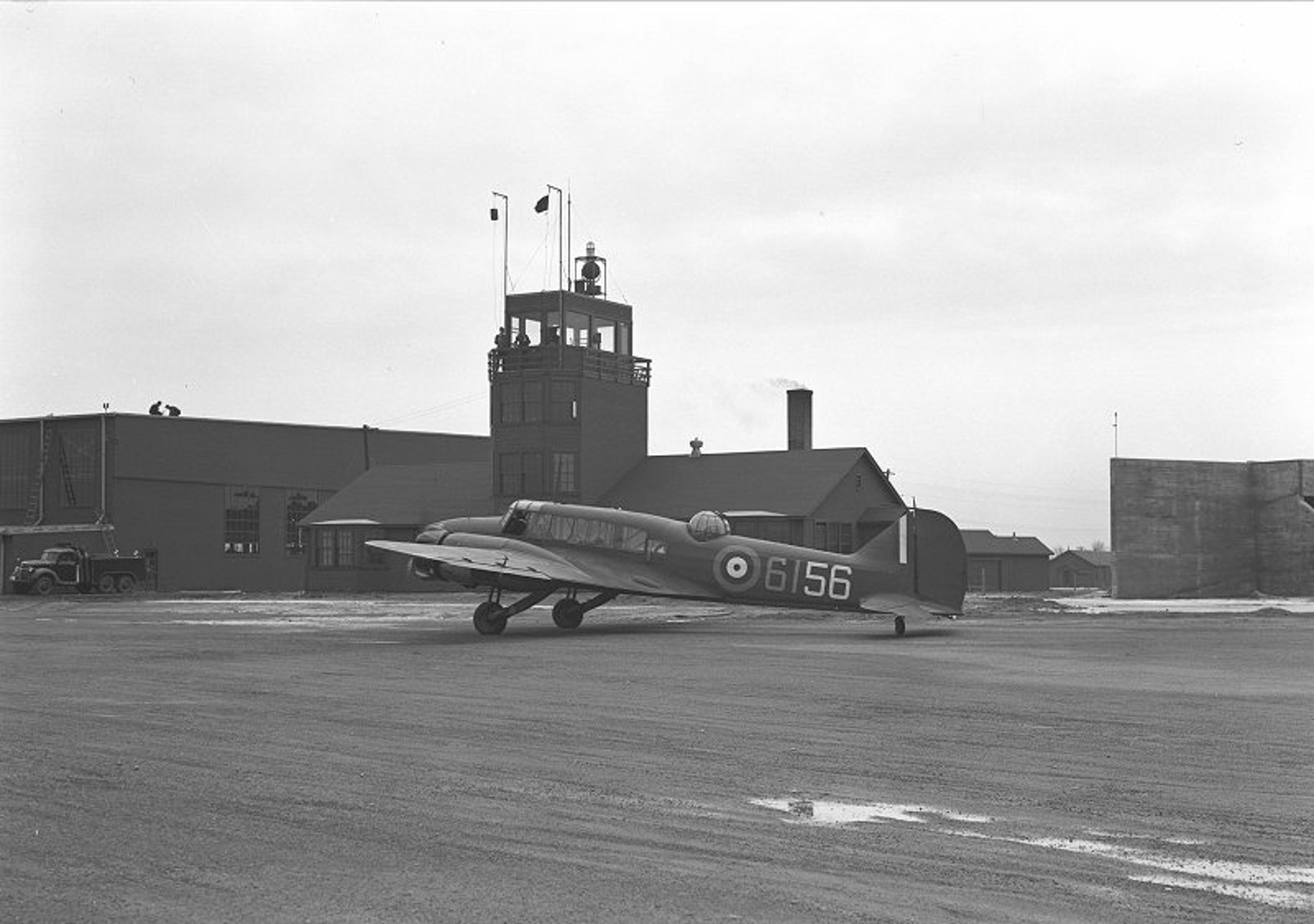
Perry was part of course number 39. Three months later he graduated and received his “wings” officially and was promoted from LAC to Sergeant. Brantford airport still exists today and indeed 3 of the original wartime hangars still stand, but during WW2 it graduated 2,143 pilots.
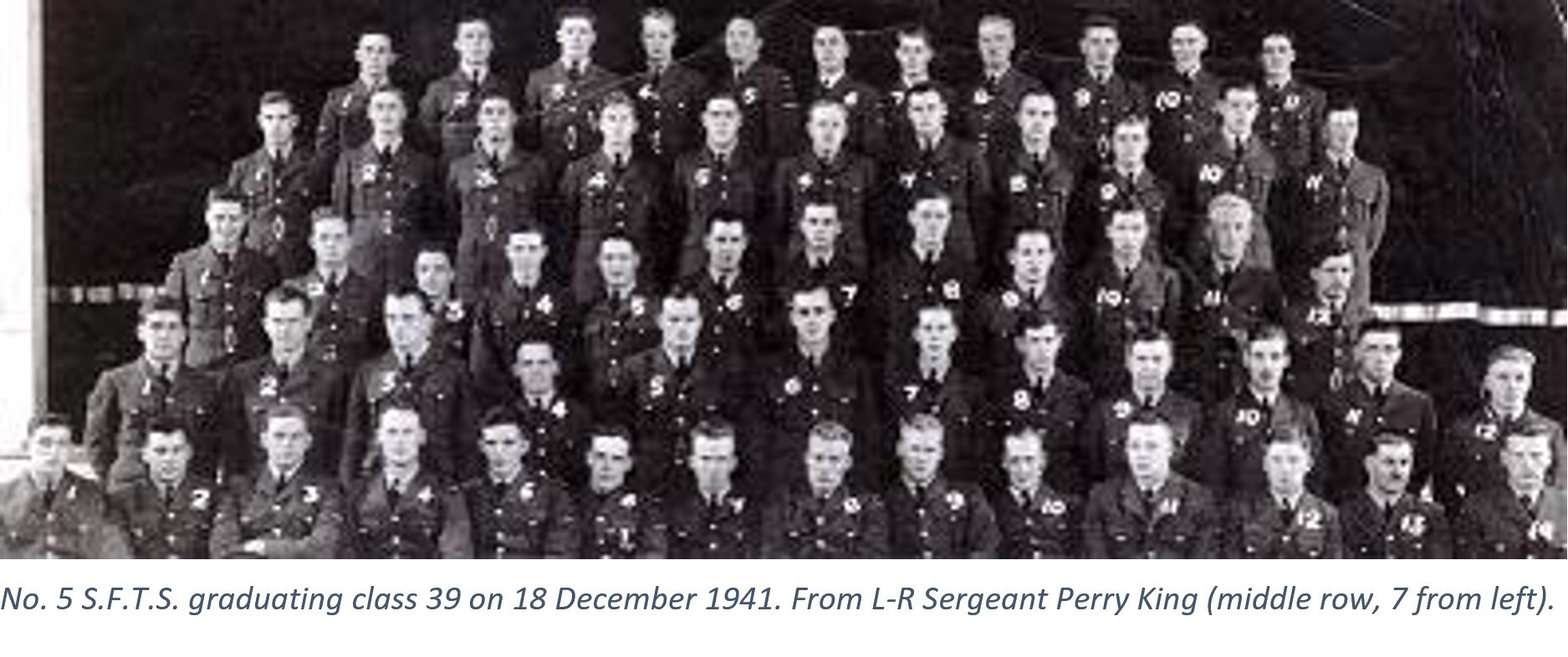
Group Captain B.F. Johnson presented wings and addressed the graduates during the Thursday evening wings parade held at 2000 hours:
"You have been given the finest instruction possible and now it is up to you to make the most of it. You have much to learn yet, and it will come through your own experience […] Many of you will be going overseas immediately, and you must have no illusions of what you will be facing. You will be faced by a powerful, unscrupulous enemy - make no mistake about it, the Germans are mean, dirty fighters. You will be provided with planes equal to and superior to those of the enemy. You will need all of your skill. […] This great training scheme may very well be the vital factor in the whole war. You have all done very well, and I am proud of you."
I think the comment about going overseas immediately was directed at Perry as he left for a ship in Halifax, Nova Scotia, a trip of 1900 kilometers, the very next day and 14 days later, he was in the UK. On arriving, like thousands of pilots arriving from BCTAP training in Canada, USA and Africa, Perry King reported to No. 3 Personnel reception Centre (PRC) in Bournemouth on the south coast of England. He remained there for two months waiting for his next training posting.
The concentration of pilots in a very small area of hotels (where they were billeted) did not go unnoticed to German intelligence and bombing raids of various size were constant throughout the war. One particularly nasty raid occurred in May of 1943. It is estimated that over 100 Canadian airmen died at the Metropole hotel and 7 Australians at the Central Hotel.
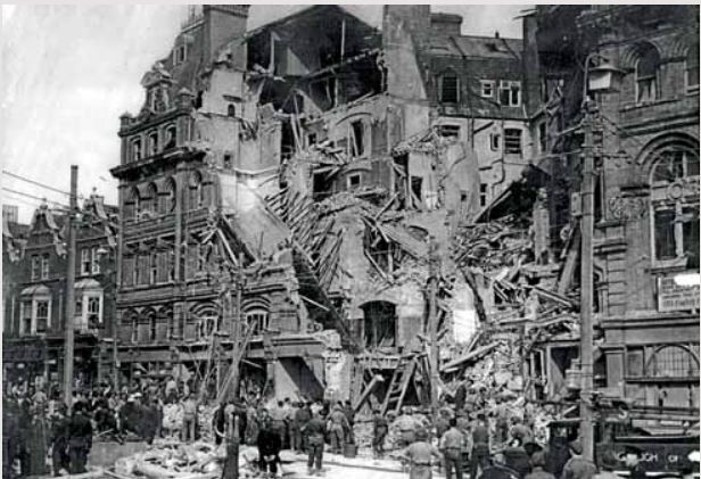
But after two months in Bournemouth Perry was posted to No. 2 S.F.T.S. At Brize Norton on Oxfordshire to fly Airspeed Oxfords. Initially in our research it seemed strange that Perry would go to a second SFTS having done his twin engine/preliminary bomber training in Canada, but further research shows that No. 2 S.F.T.S at that very time was converting.
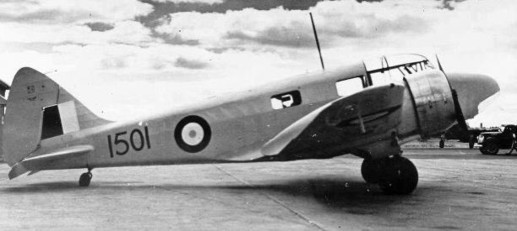
By 1942 the Commonwealth Air Training Plan was in full swing and most aircrew were being trained up to SFTS level in Canada, South Africa or Southern Rhodesia, before arriving in or returning to the UK. It was therefore decided to convert the SFTSs to (Pilot) or (Observer) Advanced Flying Units. These units would concentrate on training personnel arriving from overseas in the techniques and conditions of flying in a blacked-out northern Europe. As a result, No. 2 SFTS became No. 2 (Pilots') Advanced Flying Unit on 14 March 1942, using Airspeed Oxfords.
Perry spent almost three months at No. 2 SFTS before his final training posting to an Operational training Unit, but as was often the case in the “Hurry up and wait” bureaucracy of war time England he had to spend a further two months at No. 7 Personnel Reception Centre in Harrogate in the north of England.
On the sixth of August 1942 Perry King was posted to No. 7 Coastal Operational Training Unit (7 (c) O.T.U.), this time travelling to Limavady Airfield in Northern Ireland, where he would start flying the Wellington for the first time and form a crew ready for Squadron posting.
At 7 (c) O.T.U. the training included night, low altitude flying and torpedo training. Perry and his crew completed their conversion to the Vickers Wellington and coastal tactics in December of 1942.
Having completed 22 months of training Perry was on the way to the Middle East and the last two months of his life. The two months was by operational and historical accounts hectic to say the least. Much of what follows is deduced from Squadron records, personnel records and official letters, but also what follows is part of the mystery of the last flight that never took off!
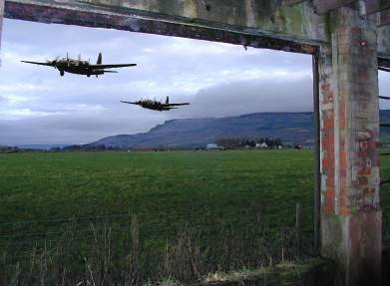
Malta at the end of 1942 was finally seeing the light after a devastating siege of two years, but the infrastructure, military order and record keeping had naturally taken a big hit.
In November 1942 the Axis lost the Second Battle of El Alamein, and the Allies landed forces in Vichy French Morocco and Algeria under Operation Torch. The Axis diverted their forces to the Battle of Tunisia, and attacks on Malta were rapidly reduced, effectively ending the siege. In December 1942, air and sea forces operating from Malta went over to the offensive.
Into this fray flew three Squadrons, 221 RAF, 458 RAAF (Both equipped with torpedo bomber Wellingtons) and 69 RAF equipped with a mismatch of various aircraft and crews supposedly as a photo reconnaissance Squadron but included Wellington bombers; and now Perry King, his crew and perhaps a Wellington V111 (LB134).
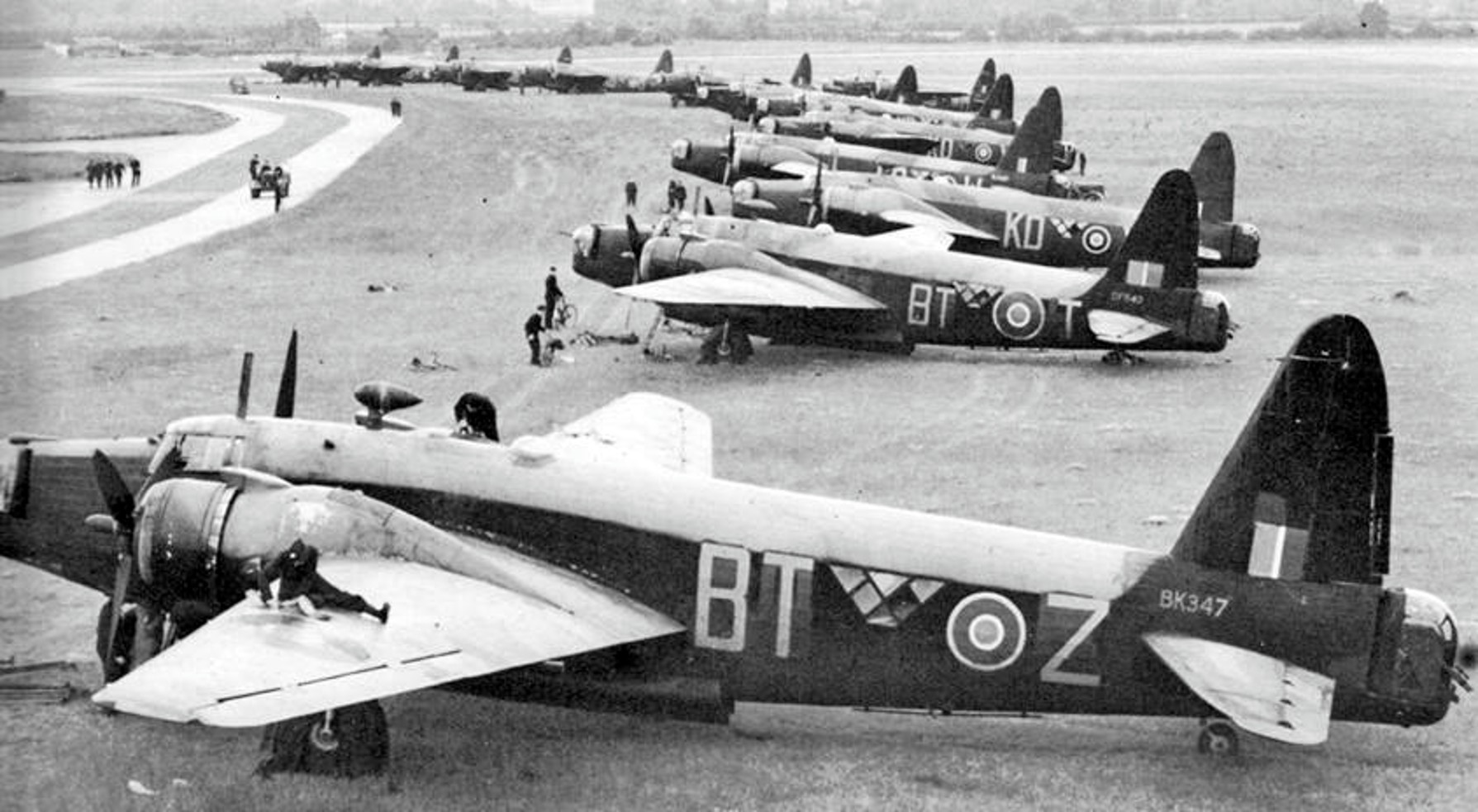
On arrival in the Middle East Perry and crew reported to AHQ Malta on the 23 December 1942. Now according to Perry King’s records, he was next posted to 458 RAAF on 14 February 1943, but on investigating his crew records, some of them show posting to 69. Sqdn RAF on 15 January 1943. By going to the Squadron records of 69 Sqdn RAF we can indeed see that Perry King and crew were part of the Squadron from 15 January 1943 until Feb 01.1943.
69 Sqdn. RAF had been in the thick of the fray that was Malta since the beginning of the siege. No. 431 Flight in Malta had been formed to operate Maryland aircraft in the strategic reconnaissance role in August 1940 at North Coates but transferred to the island in September. However, on 10 January 1941, the flight was raised to Squadron status as No. 69 Squadron. It operated across the whole Mediterranean area from Italy in the North to Libya in the South and gradually collected a wide range of types for the role. These included Hurricanes, Spitfires, Beaufighters Mosquitos, Baltimores and even Wellingtons. Some of these types also undertook more anti-shipping and anti-submarine patrols. It was led by the colourful and maverick (by the standards of the staid RAF and it’s “stiff collar” attitude to discipline) Adrian Warburton. Wing Commander Warburton had amassed what could be termed his own airforce. A mishmash of types of aircraft that he had employed to harry the axis forces on any and every occasion.
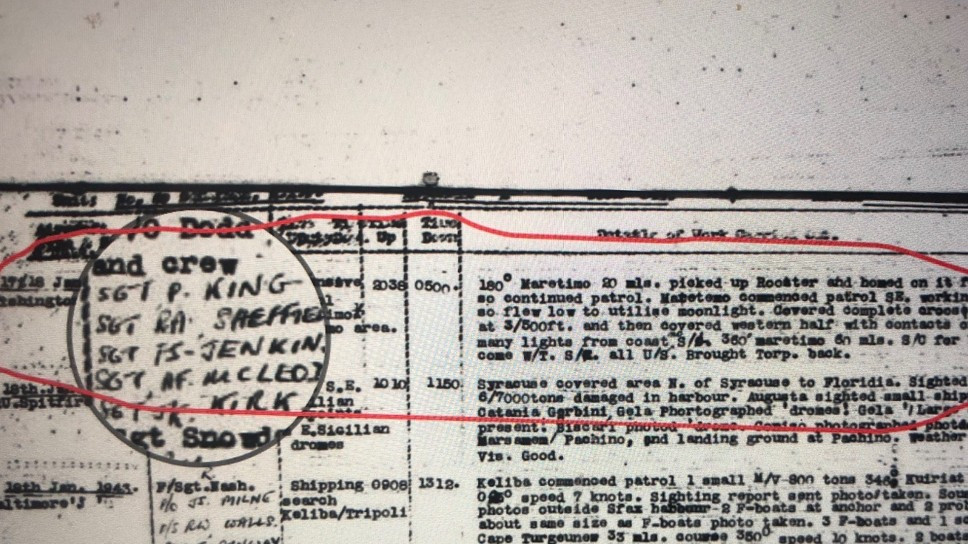
Records were kept of missions, but aircraft types were often listed by nickname and crews were often recorded by only the captains name with the other crew sometimes filled in later or just left “unknown”. All of this fully understandable given the time and place. We can determine and highlight that Perry King and crew were part of and indeed flying missions with 69 Squadron in the latter part of January 1943.
The first was as second pilot with Flying Officer Dodd on the night of the 17/18 January 1943.
Perry as captain and crew flew an 8-hr patrol on the night of the 21/22 January to the Palermo area.
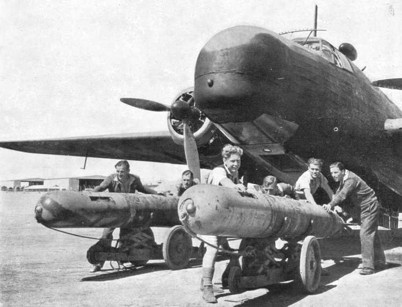
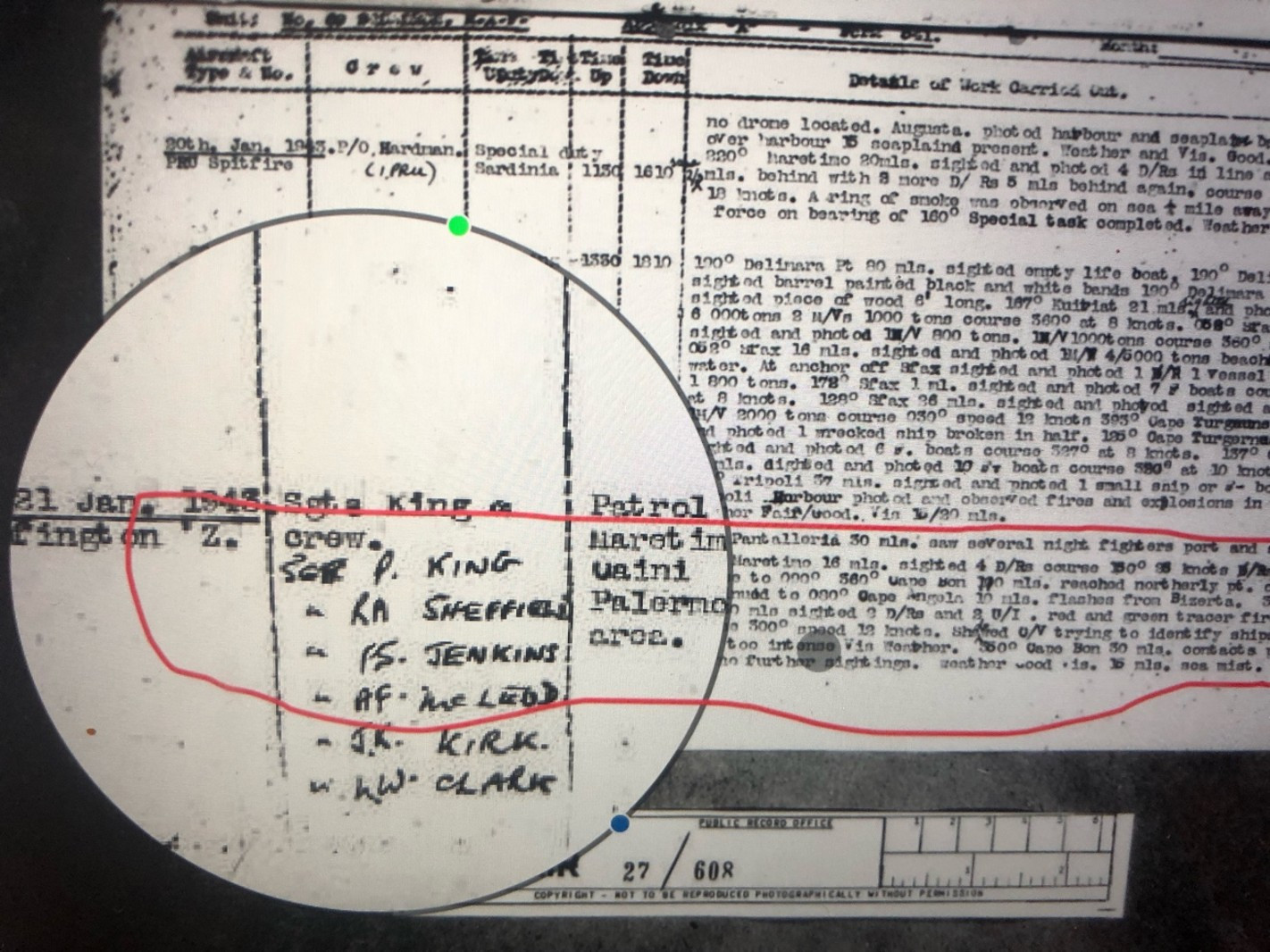
Further missions were flown with 69 Squadron on 24/25 January and again on 26/27January both of 5–6-hour duration. Unfortunately for us, the Squadron records only identify the aircraft letter for each mission and not the serial number, so we cannot say that LB134 was a 69-Squadron aircraft. What we do know was that at the same time that Malta based 69 Squadron Wellingtons were being flown by Perry King and crew, both 221 and 458 Squadrons had detachments of aircraft and crew flying out of Luqa airfield, Malta.
We also know that effective 1 February 1943 the Wellingtons and their crews of 69 Squadron were transferred to 458 Squadron.
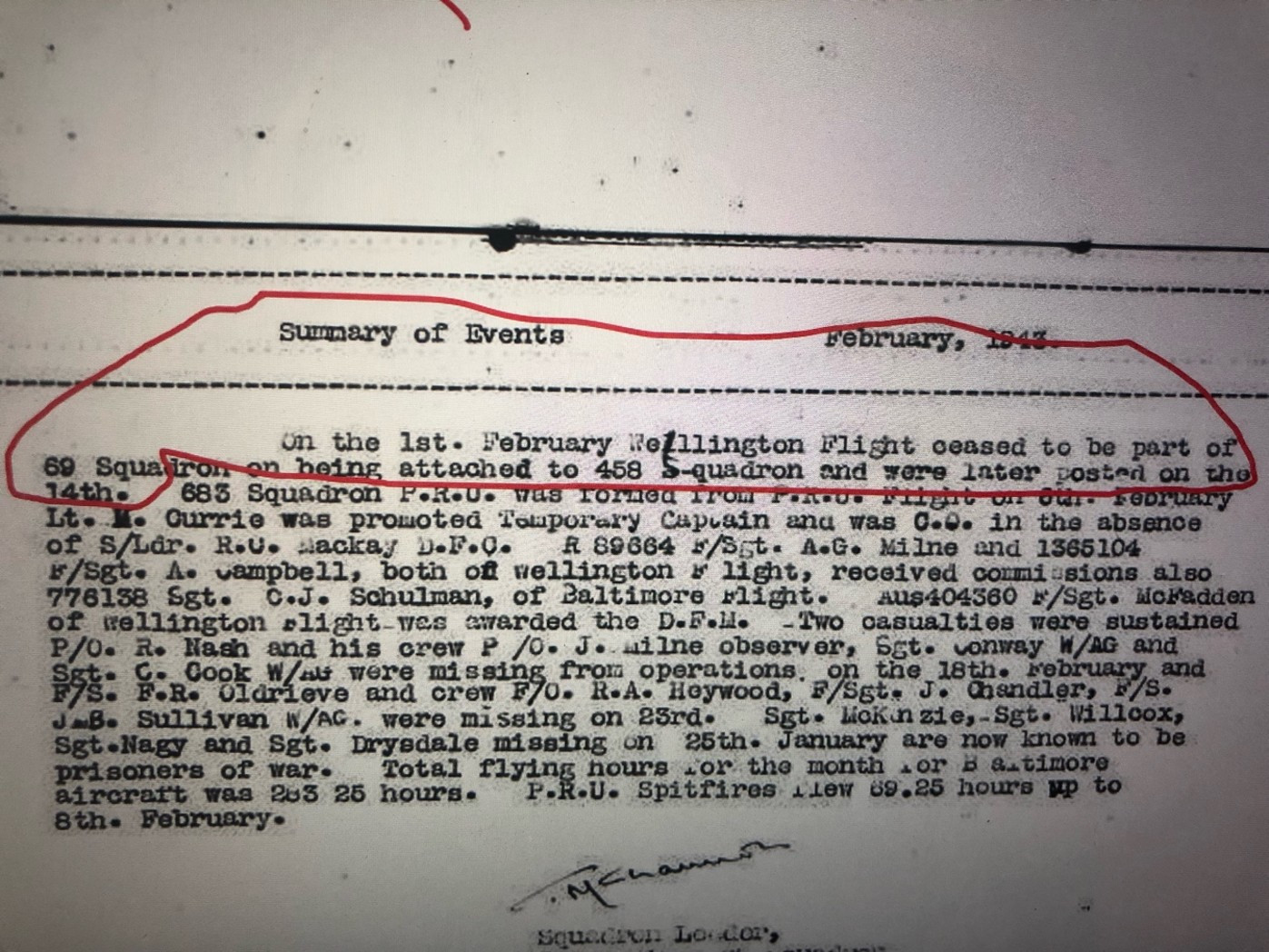
This was made “paper” official on 14 February 1943, but missions flown in February (except one!) by Perry King and the other ex 69 Squadron crews were now recorded in the Operations Record Book of 458 Squadron RAAF.
Perry King flew missions with 458 RAAF as recorded in the Squadron records. On the night of 3 February 1943 in Wellington HX991 on the night of 15 February in Wellington HX991 (returning with engine trouble) and on the night of 21 February in Wellington LB134…this is important because LB134 was the aircraft that he and crew were flying on the night of the 25th when they were posted missing in the 458 records. Wellington LB134 was also flown by Sgt Norton and crew on the 15th and by F/O Taylor and crew on 9 February. So LB134 was definitely a 458 Squadron Wellington.
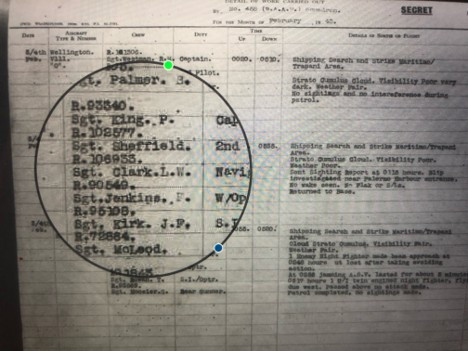
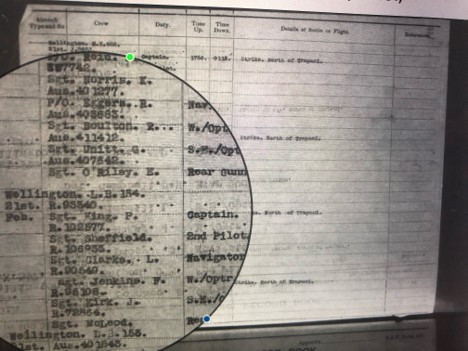
On the night of the 25 February 1943 a major shipping attack mission was flown by 458 Squadron, with 6 torpedo and 3 bomber Wellingtons involved.
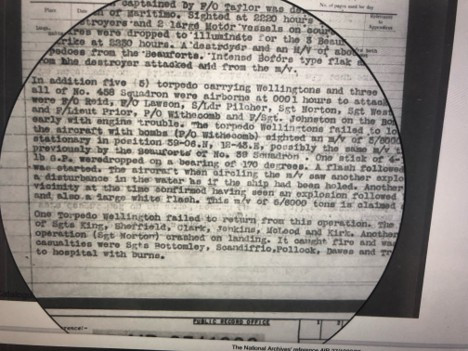
The Squadron record of events and summary of events for February 1943 list all the departing crews but with no mention of Perry King and LB134. It does say that two crews returned with engine trouble and then it lists Perry King and crew as one of the torpedo crews saying, “One Torpedo Wellington failed to return from the mission, Sgt King, Sheffield, Clark, Jenkins, McLeod, Kirk”. So, we have no record of Perry taking off but do show him as missing from a 458 Squadron operation. Later correspondence from “Officer Commanding RAF Station Luqa” to AHQ Malta states that King and crew were flying a 221 Squadron Wellington Mk V111. LB134. It seems that this letter has become the source of the understanding that Perry King and crew were flying for 221 Squadron when they went missing. We think this letter is an error.
Perry King was flying a 458 Squadron Wellington LB134 on a 458 mission and is listed as missing in the 458 records. There is no record of Perry King flying with 221 Squadron in the 221 Squadron records. So, what happened?
We submit the fog of war, the extreme conditions in Malta at the time, the extreme tension of a major Squadron mission with aircraft returning early, aircraft crashing on return and the imminent tour expiry of a number of 458 crews, meant that Perry King and crew in LB134 were not recorded as taking off on the mission. When it was realized that they were not on the mission board assumptions were made. It cannot be proven of course, and 80 years have passed, but the records are clear. Perry King and crew were members of 458 Squadron and lost their lives in a 458 Squadron Wellington on his 21st birthday 1943.
It is true that with both 221 and 458 Squadrons operating satellite flights out of Malta, some sharing of crews did occur, but those events were also recorded in the Squadron records and involved crews, not aircraft. In Perry King’s case we are confident that he was 458 that night.
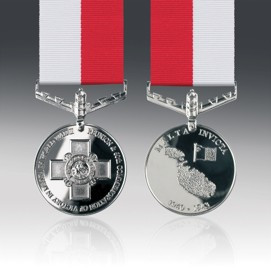
We therefore submit that the balance of probabilities and evidence dictates that Perry King and his brave crew be remembered in the Squadron honour roll. In addition, considering Perry King and crew actions and missions we wonder if any family members might lay claim to a “Battle for Malta Medal.” On behalf of Perry King and his crew.
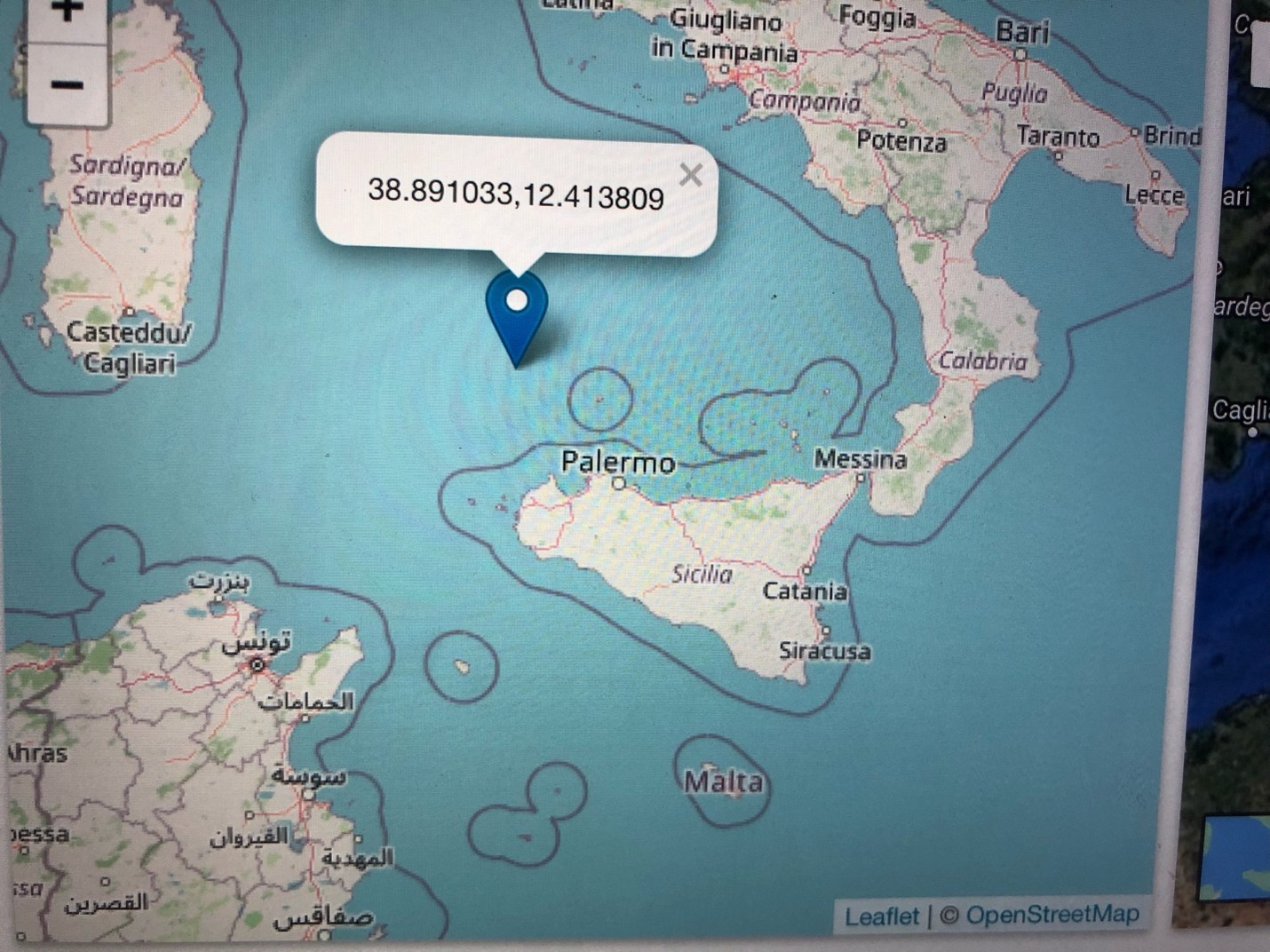
Perry King and his crew remained “missing presumed killed” until 1947. In fact, family was advised until the end of the war that the crew could be alive as prisoners of war! Following many letters from Perry’s mother and the fiancé of Sgt J.F. Kirk WO/WG, the Canadian graves commission uncovered an interview with the Captain of an Italian naval boat. He described how they had come across the bodies of Perry King and crew, identified by their papers and how they had given them a sea burial.
We will endeavour to tell more detailed histories of the rest of the Perry King crew in future issues.
Perry King was promoted to Warrant Officer (WO2) on the 19 December 1942 but likely had not received notification before his death.
R93340 Wo2 King.P- Pilot (Captain) RCAF
R102577 Sgt Sheffield, R.A.P.- Pilot RCAF
R106933 Sgt Clark, I.W.- A/Obs RCAF
R95049 Sgt Jenkins, F.S.- WO/AG RCAF
R95108 Sgt Kirk, J.F. – WO/AG RCAF
R72864 Sgt McLeod, A.F. – WO/AG RCAF
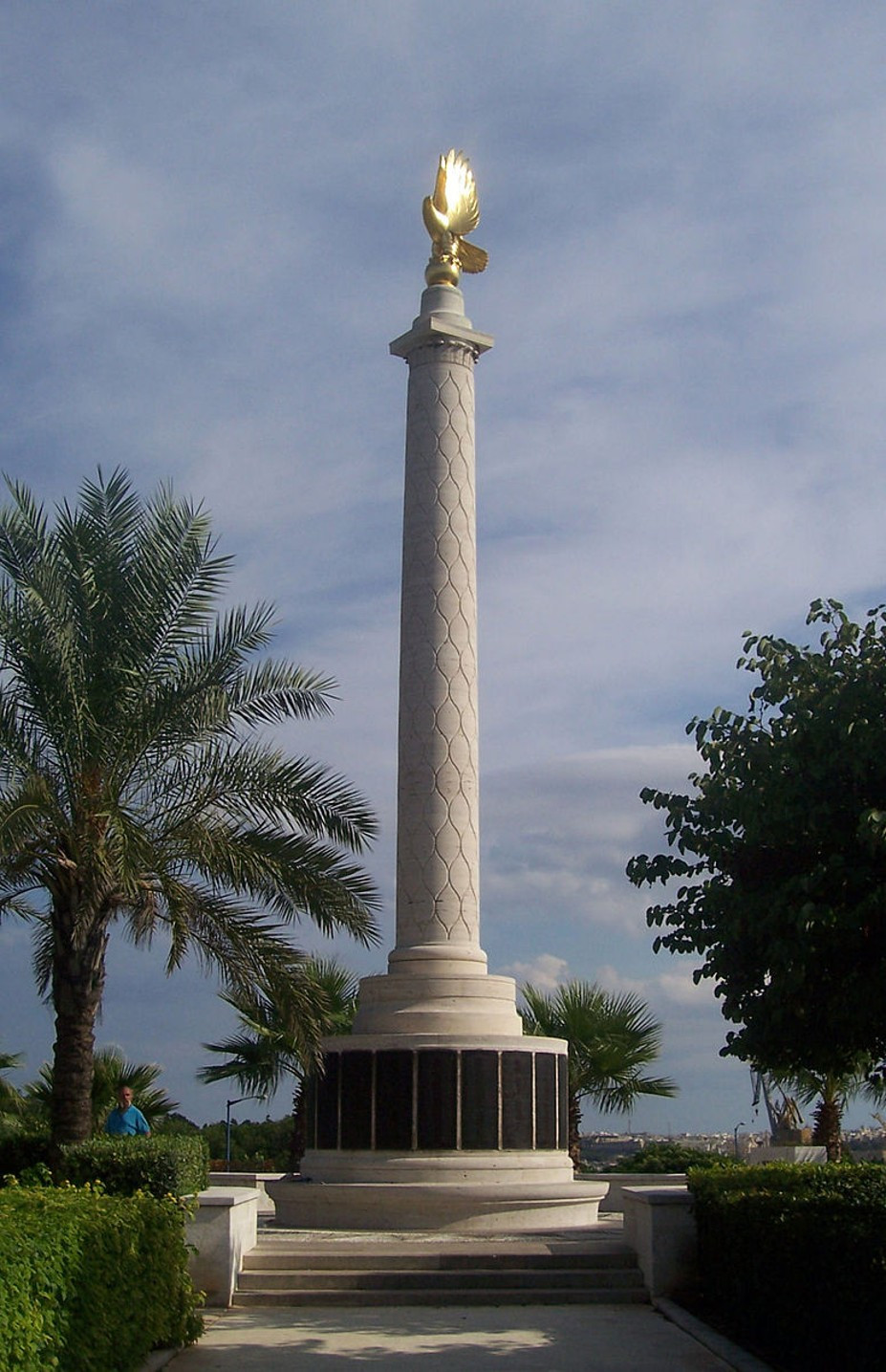
The Malta Memorial commemorates almost 2,300 airmen who lost their lives during the Second World War whilst serving with the Commonwealth Air Forces flying from bases in Austria, Italy, Sicily, islands of the Adriatic and Mediterranean, Malta, Tunisia, Algeria, Morocco, West Africa, Yugoslavia and Gibraltar, and who have no known grave. The Memorial was unveiled by The Queen on 3 May 1954.
The memorial was designed by Sir Hubert Worthington, R.A., while the eagle which surmounts the column is the work of the sculptor Charles Wheeler, R.A.
The Malta Memorial contains the names of 58 aircrew from 458 Squadron RAAF, 24 of them Canadian: Including Perry King and crew.
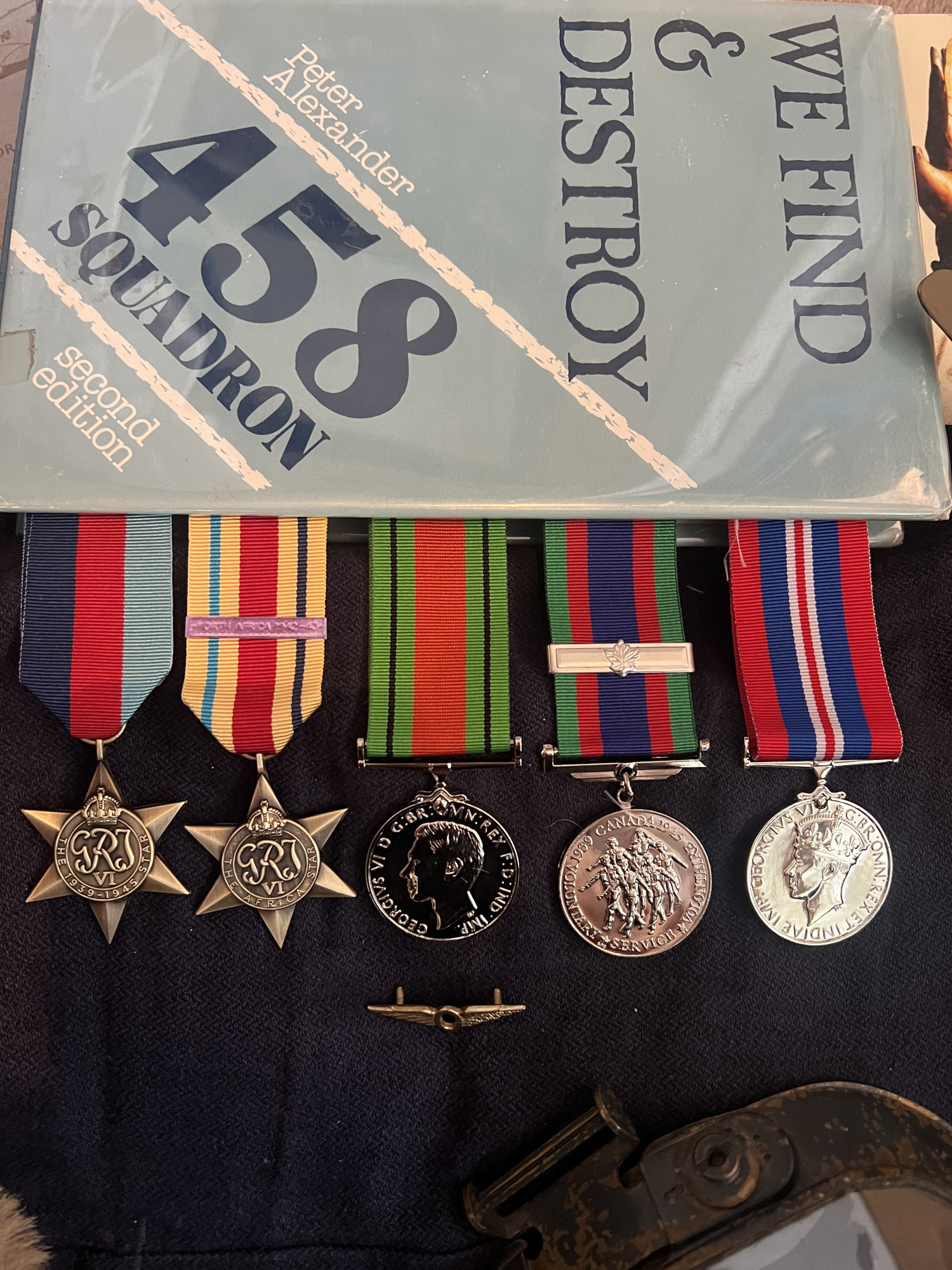
Perry was eligible for the following medals from left to right
The 1939-1945 Star
The Africa Star with North Africa 1942-43 Bar
The Defence Medal
The Canada Volunteer Service Medal with Overseas Bar
The War Medal
as well as The RCAF overseas Pin (under The Defence Medal)